Confused by Rubbish Charges? Herne Hill Pricing Explainer
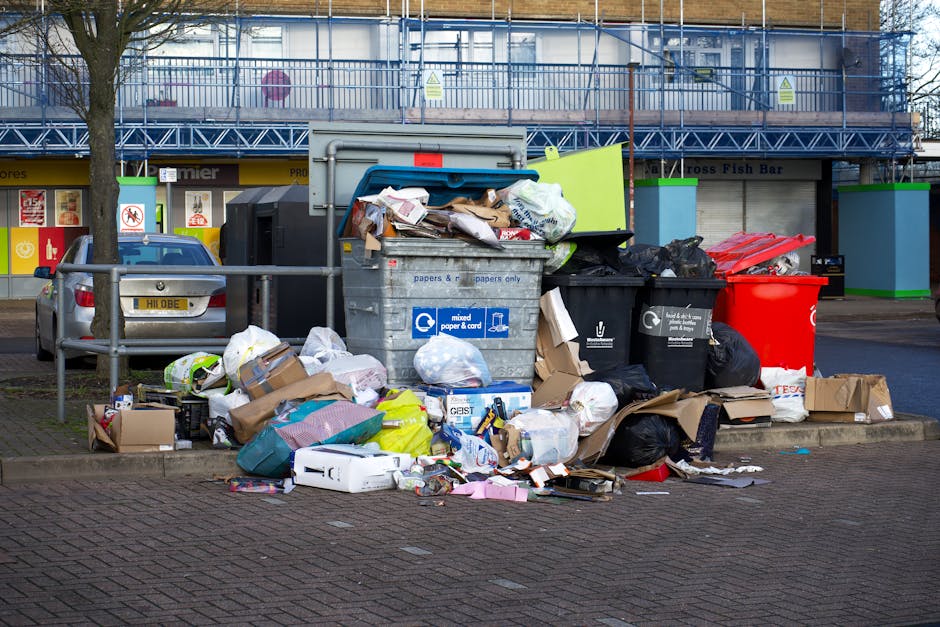
If you have ever looked at a rubbish removal quote and thought, "Right... but what am I actually paying for?", you are not alone. Confused by Rubbish Charges? Herne Hill Pricing Explainer is here to make the numbers feel less mysterious and a lot more manageable. Whether you are clearing a flat near Herne Hill station, shifting old furniture from a terraced house, or trying to get rid of builder's waste without upsetting the neighbours, pricing should feel understandable, not like a guessing game.
Truth be told, most people do not mind paying for a job well done. What they do mind is vague pricing, surprise extras, and the sense that they are one phone call away from a bill they did not expect. This guide explains how rubbish charges are usually worked out, what really pushes the cost up or down, and how to compare quotes without getting lost in jargon. It is practical, local, and a bit more human than the average pricing page.
Quick takeaway: the fairest rubbish charge is usually the one based on the actual load, access, labour involved, and disposal route - not just a rough guess from the side of the van.
- Why this pricing explainer matters
- How rubbish charges work in practice
- Key benefits of understanding the price
- Who this is for and when it makes sense
- Step-by-step guidance
- Expert tips for better results
- Common mistakes to avoid
- Tools, resources and recommendations
- Law, compliance, standards, or best practice
- Options, methods, or comparison table
- Case study or real-world example
- Practical checklist
- Conclusion
- Frequently asked questions
Why Confused by Rubbish Charges? Herne Hill Pricing Explainer Matters
Rubbish removal pricing matters because waste is one of those jobs that can look simple from the outside and become messy very quickly. A pile of rubbish on the pavement, a bulky wardrobe wedged in a hallway, a loft full of old boxes, or a post-renovation mound of mixed debris all create different cost profiles. If you do not understand those differences, it is easy to compare the wrong things and choose the wrong option.
In Herne Hill, that matters even more because access can be awkward. Narrow streets, limited parking, shared entrances, basement flats, and top-floor walk-ups can all affect how a job is priced. That is not a gimmick. It is just the reality of moving bulky waste through a busy London area. A quote that seems higher at first glance may actually be more accurate once the labour and access are taken into account.
There is another reason this subject is worth your time: rubbish charges can be opaque by design if you do not ask the right questions. The useful detail is often buried in the small print. For example, is the price based on volume, weight, item type, or a full load? Is labour included? Is there a charge for difficult access? What about hazardous or restricted materials? Knowing these basics helps you spot a fair quote quickly.
And let's face it, nobody wants the awkward moment where a collection is already half loaded and the price suddenly changes. That is not a fun conversation. It is the kind of thing that makes people cross their arms and stare at the pavement. Understanding the structure of rubbish charges puts you back in control.
For a broader sense of service options, you can also look at the provider's pricing and quotes page, which is usually the best place to start when you want a clearer picture before booking.
How Confused by Rubbish Charges? Herne Hill Pricing Explainer Works
Most rubbish removal pricing is built from a few core ingredients. The exact mix depends on the provider, the type of waste, and the job conditions. Once you understand those ingredients, the numbers become much less mysterious.
1) Load size or volume
This is one of the most common pricing methods. The larger the pile, the more van space it takes up, and the more it usually costs. A single mattress will not be priced the same as a garage full of mixed junk. Many services think in fractions of a load, which is why a quote may refer to a quarter load, half load, or full load. Sounds simple. Sometimes it is. Sometimes it is not.
2) Waste type
Not all rubbish is treated equally. General household junk, broken furniture, garden waste, office items, builders' rubble, and electricals may all require different handling. Heavy waste is often priced differently from lightweight but bulky waste because disposal costs and manual handling differ.
3) Access and labour
If the team can park nearby and carry items out quickly, the job is usually easier to price. If they must walk from a side street, work up several flights of stairs, or move items from a tight basement passage, there may be extra labour involved. In our experience, this is where many people get caught out. The rubbish itself is only part of the job; the movement of it is often the real work.
4) Disposal route and recycling
Disposal is not just "take it away and dump it somewhere". Waste needs to be sorted, transported, and processed responsibly. Items that can be recycled may be separated from residual waste. Some materials have higher handling costs. Responsible disposal practices can affect the final price, and quite rightly so.
5) Time and scheduling
Urgent same-day work, narrow booking windows, or awkward timing can influence price. A routine collection arranged in advance is usually easier to plan than a last-minute job squeezed into a busy day. If you are juggling a move, tenants, decorators, or a weekend clear-out, this can matter more than people realise.
A simple way to think about it
Think of rubbish charges as a blend of what is being removed, how much there is, how hard it is to move, and where it must go afterwards. Once you see those four things, pricing stops feeling random.
Key Benefits and Practical Advantages
Understanding rubbish charges is not just about saving money, though that is certainly part of it. It helps you make better decisions, avoid delays, and choose the right service level for the job. That is a pretty useful trifecta.
- Fewer surprises: you are less likely to get hit with add-ons you did not expect.
- Better comparisons: you can compare quotes on the same basis, not apples and pears.
- More accurate booking: the team can arrive with the right vehicle and enough time.
- Less stress on the day: no guessing, no awkward renegotiation, no confusion at the kerb.
- Improved planning: useful if you are coordinating a move, refit, or end-of-tenancy clean-out.
- More responsible disposal: clearer pricing often reflects a more transparent waste handling process.
There is also a trust angle here. If a company can explain its pricing clearly, it usually means it has thought through the job properly. That does not guarantee perfection - nothing does - but it is a good sign. People often overlook this and focus only on the headline number. To be fair, the headline number is important. It just should not be the only number that matters.
For some customers, the real benefit is peace of mind. For others, it is speed. If you have a hallway full of boxes and an estate agent due tomorrow, clarity is worth a lot more than a vague bargain.
Who This Is For and When It Makes Sense
This pricing explainer is for anyone who wants rubbish removed without confusion. That includes homeowners, tenants, landlords, managing agents, small businesses, tradespeople, and anyone in the middle of a clear-out who suddenly realises how much clutter has been hiding in plain sight.
It makes particular sense if you are:
- comparing two or more quotes and want to know why they differ
- clearing a property in Herne Hill and need a local solution
- removing bulky items like wardrobes, sofas, desks, or beds
- dealing with post-renovation or builders' waste
- sorting a garage, loft, basement, or shed that has quietly become a storage museum
- closing down an office or moving business premises
- wanting a responsible alternative to fly-tipping or overfilling council collections
It also helps if you are deciding between a specialist clearance service and doing it yourself. Sometimes hiring a van and making multiple trips sounds cheaper, but once you factor in time, fuel, lifting effort, parking, and disposal charges, the picture changes fast. Especially in London. Especially on a wet Tuesday. Nobody enjoys that version of the day.
If your project is broader than one pile of rubbish, pages like house clearance, flat clearance, and office clearance can help you see how pricing may vary by property type and the nature of the contents.
Step-by-Step Guidance
If you want a smoother, more predictable quote, the process usually becomes easier when you break it into steps. Nothing fancy. Just a sensible approach.
- List what needs removing. Write down the main items and group them by type: furniture, mixed junk, garden waste, rubble, appliances, or office items.
- Estimate how much space it takes. Think in broad terms. One sofa is very different from a roomful of boxes. If you are unsure, take a few photos from different angles.
- Check access. Note stairs, lifts, parking restrictions, gated entrances, rear access, or anything else that may slow the job down.
- Flag heavy or awkward items. Wardrobes, pianos, white goods, or wet builders' waste may need extra handling.
- Ask what is included. Labour, disposal, VAT where applicable, and sorting can all affect the final figure.
- Confirm what is excluded. Some items may need specialist handling or separate arrangements.
- Get the quote in writing. That way, everyone knows what was agreed before the van arrives.
- Prepare the items. If safe and practical, move rubbish to one area so collection is quicker and cleaner.
A real-world example: suppose you are clearing a first-floor flat after a short let has ended. There are two mattresses, a small sofa, several broken chairs, bags of mixed rubbish, and a couple of lamps. A quick, vague quote might not reflect the stairs, parking, or mixed load. But once you describe the access properly, the estimate becomes much more realistic. That saves hassle later.
It is usually better to be slightly over-detailed than slightly vague. A small extra note about access can prevent a big misunderstanding. Simple as that.
Expert Tips for Better Results
Here is where a little practical experience goes a long way. Most pricing confusion comes from not giving enough detail or not asking the right follow-up questions. You do not need to become a waste expert, thankfully, but a few habits make a big difference.
- Send photos from multiple angles. One photo can hide a lot. Two or three usually tell a better story.
- Be honest about heavy items. A "few bits" can turn into a full-day job if there are broken cabinets and builder's rubble tucked underneath.
- Separate what you can. Keeping recyclables, general waste, and reusable items apart can make the job more efficient.
- Check parking before collection day. In Herne Hill, parking and access can be the difference between a smooth pickup and a slower one.
- Ask whether pricing is fixed or estimated. That one question can save a lot of back-and-forth.
- Think about timing. If you need the clearance before a delivery, a tenancy handover, or a refurbishment, say so early.
One more thing: if you are dealing with office or business waste, it is worth asking how the service handles confidential or mixed materials. Paperwork, filing cabinets, and electronics often need a more careful approach than garden clippings or old furniture.
And yes, a lot of people underestimate how much rubbish they actually have. It happens all the time. A spare room can look tidy right up until you start moving things out. Then suddenly there is a mountain. A small, rude mountain.
Common Mistakes to Avoid
Most pricing problems can be avoided with a little attention up front. Here are the mistakes that tend to cause the most frustration.
- Comparing only the headline price. A low starting price can become expensive if labour, access, or disposal are added later.
- Not mentioning stairs or parking issues. These details matter, especially in busy parts of London.
- Mixing item types without saying so. Builder's waste, furniture, and general rubbish may be priced differently.
- Forgetting about restricted items. Some materials need special handling and may not be included in a standard load.
- Assuming all removal services work the same way. They do not. Some are volume-based, some are item-based, and some combine both.
- Leaving everything to the last minute. Rush jobs can be fine, but they often reduce flexibility.
A small but common one: people sometimes forget to mention an item is already partly dismantled. That matters. A flat-pack wardrobe in pieces is not the same as a fully assembled one being carried down two flights of stairs. Not even close.
If you want fewer surprises, make sure you have a clear idea of the service scope before collection day. It sounds obvious, but it really does make life easier.
Tools, Resources and Recommendations
You do not need fancy software to get a better rubbish quote. A few simple tools and habits are enough.
Useful things to prepare
- a camera phone for clear photos of the waste
- a rough list of item types and quantities
- notes on floor level, lift access, and parking restrictions
- measurements for very large furniture or awkward objects
- timing details if the job must happen before a move, delivery, or deadline
Helpful service pages
If your job falls into a more specific category, it can help to compare the relevant service type rather than relying on a generic assumption. For example, waste removal is a useful starting point for general clear-outs, while furniture clearance and furniture disposal are more relevant if you are mainly getting rid of bulky household items.
For outdoor jobs, garden clearance can be more appropriate than a general domestic collection, and if your project involves renovation debris, builders' waste clearance is the page to look at. If you are emptying a loft, loft clearance is worth a read too. Those pages help you understand the practical differences between job types, which is often where price clarity starts.
Small recommendation from experience
When in doubt, describe the job as if you were explaining it to someone who has never seen the property. That sounds almost too simple, but it works. "Two sofas, four bags, a broken desk, first floor, narrow staircase, no lift, street parking only." Clear. Useful. Hard to misunderstand.
Law, Compliance, Standards, or Best Practice
Waste removal is not just a logistics issue; it also has a responsibility layer. In the UK, waste should be handled by people and businesses that follow the relevant duties around safe transport, disposal, and environmental care. You do not need to know every technical detail, but you should expect a provider to operate responsibly.
Best practice usually includes the following:
- sorting waste where practical so recyclable materials are separated
- avoiding fly-tipping or informal dumping routes
- handling items safely to reduce damage and injury risk
- being clear about what can and cannot be collected
- communicating any special handling requirements up front
For customers, the practical point is simple: if something feels unclear, ask. A proper service should be able to explain where waste goes in broad terms and how pricing reflects the work involved. If the explanation is evasive, that is usually a sign to slow down and think.
It is also sensible to check a company's policies on matters like health and safety, insurance and safety, and recycling and sustainability. Those pages do not replace a proper quote, but they do help show how a provider approaches the job behind the scenes. That matters more than people sometimes think.
Best practice is not about making the service sound grand. It is about making sure the job is done properly, safely, and without odd surprises. Pretty reasonable, really.
Options, Methods, or Comparison Table
There is no single "right" way to pay for rubbish removal. The best option depends on the job size, the contents, and how quickly you need it done. Here is a simple comparison that helps make sense of common approaches.
| Pricing method | Best for | Pros | Watch out for |
|---|---|---|---|
| Volume-based pricing | Mixed household rubbish, furniture, general clear-outs | Easy to understand; often fair for typical jobs | Access and item type can still affect the final figure |
| Item-based pricing | Single bulky items or a small number of specific objects | Clear if you only need a few things removed | Can become less efficient if the load grows |
| Load-based pricing | Large clearances and full or partial van loads | Good for bigger jobs where the volume is obvious | You need a decent estimate of how much you have |
| Job-specific quoting | Complex access, mixed materials, or specialist clearances | Often most accurate for unusual situations | Requires more detail from the customer |
Which one is best? That depends on what you are removing and how straightforward the job is. A single sofa in good access might suit an item-based quote. A cluttered flat with mixed waste and awkward stairs is more likely to need a fuller assessment. The key is matching the pricing style to the actual job, not the job you wish it were.
Case Study or Real-World Example
Here is a realistic example from a typical Herne Hill-style clearance scenario. A landlord is between tenancies and needs a one-bedroom flat cleared after tenants leave behind a mix of furniture, kitchen bits, bags of general rubbish, and a few broken shelves. The property is on the second floor, parking is tight, and the lift is out of service. Not ideal, but it happens.
At first glance, the landlord expects a straightforward small-load price. After all, it is only one flat. But once the team reviews the photos and access notes, the picture changes a bit. The job is not just about the amount of rubbish. It is about carrying it down stairs, working with limited parking, separating furniture from mixed waste, and allowing enough time for safe loading.
The important part here is not the exact number. It is the way the quote becomes clearer once the real conditions are explained. That prevents underquoting, avoids awkward on-the-day changes, and helps the landlord plan the turnaround properly. In plain English: fewer headaches.
What did the customer gain from a detailed quote?
- a more realistic arrival plan
- less risk of extra charges
- better timing for cleaning and re-letting the flat
- a clearer understanding of what was included
That sort of clarity is often more valuable than chasing the very cheapest starting price. Especially when the clock is ticking and the flat needs to be turned around quickly.
Practical Checklist
Before you book a rubbish collection, run through this checklist. It takes a few minutes and can save a lot of hassle.
- Have I listed all the items that need removing?
- Do I know whether the waste is mainly furniture, general rubbish, garden waste, or builders' debris?
- Have I taken clear photos from more than one angle?
- Have I mentioned stairs, lifts, parking restrictions, or tight access?
- Have I checked whether any items need special handling?
- Do I understand whether the quote is fixed, estimated, or based on load size?
- Have I asked what is included in the price?
- Have I checked what happens if the load is slightly bigger than expected?
- Do I know the collection time and any preparation needed before arrival?
- Have I chosen the service type that best matches the job?
If you can tick most of those off, you are in a strong position. Not perfect, maybe. But strongly prepared, which is usually what matters most.
Conclusion
Rubbish charges do not have to feel confusing. Once you understand what affects the price - volume, item type, labour, access, and disposal - the whole process becomes much easier to navigate. That is really the heart of this Herne Hill pricing explainer: helping you move from uncertainty to a clear, confident decision.
For local households, landlords, and businesses, the best quote is usually the one that is transparent, specific, and suited to the actual job. Ask good questions, share honest details, and compare like for like. It is a small effort up front, but it can save you money, stress, and a fair bit of head-scratching later.
Get a free quote today and see how much you can save.
And if all this has made the topic feel a bit less murky, that is a good sign. Clear information has a calming effect, funny enough. Even on rubbish.
Frequently Asked Questions
How are rubbish charges usually calculated in Herne Hill?
They are usually worked out using a mix of waste volume, item type, labour, access, and disposal requirements. A small, easy-to-carry load will normally cost less than a larger or more complicated clearance.
Why do two rubbish removal quotes look so different?
One quote may include more detail than the other. Differences often come from labour, parking, stairs, waste type, or whether the service has allowed for sorting and disposal. Always compare what is included, not just the headline price.
Is it cheaper to remove rubbish myself?
Sometimes, yes, but not always in practice. Once you add van hire, fuel, parking, physical effort, and disposal charges, the savings can shrink fast. For bigger or awkward jobs, a professional clearance may be better value.
Do staircases or limited parking affect the price?
They often do. If the team has to carry items a long way, work upstairs, or manage difficult parking, the job can take longer and require more labour. It is one of the most common reasons a quote changes.
Can I get a price from photos alone?
Often, yes, at least as a starting point. Photos help show the size of the load and the type of waste. If access is unusual, though, it is best to mention that too, because photos do not always tell the full story.
What should I tell the company before booking?
Tell them what the waste is, roughly how much there is, where it is located in the property, and whether access is straightforward. If there are any heavy, fragile, or unusual items, mention those as well. Honesty up front saves trouble later.
Are mixed loads more expensive?
They can be, depending on what is mixed together. Furniture, general rubbish, and builders' debris may each involve different handling or disposal routes. A mixed load is not always a problem, but it can affect the pricing structure.
What happens if I have more rubbish than expected on the day?
That depends on the provider and the quote terms. Some teams can adjust the price if the load is bigger, while others may need to revisit the estimate. The best approach is to be as accurate as possible before collection day.
Is furniture clearance priced differently from general rubbish removal?
It can be. Large items like sofas, wardrobes, and beds often require different handling from loose waste bags, so a furniture-focused service may be more suitable. If you have a lot of bulky items, it is worth checking the dedicated service type.
Do recycling and responsible disposal affect the cost?
Yes, sometimes they do. A service that sorts, recycles, and disposes of waste responsibly may have different operating costs from one that does not. For many customers, that extra transparency is worth it.
How can I avoid surprise charges?
Give accurate photos, describe access clearly, ask what is included, and confirm whether the price is fixed or estimated. If anything is vague, ask for clarification before booking. That simple habit prevents most surprises.
What kind of jobs are best suited to professional rubbish removal?
Jobs that are bulky, time-sensitive, physically awkward, or too large for a standard council collection are often best handled by a professional team. This includes house clearances, flat clearances, office clearances, garden waste, and builders' waste. It keeps the process quicker and usually less stressful.