Office Clearance in Herne Hill
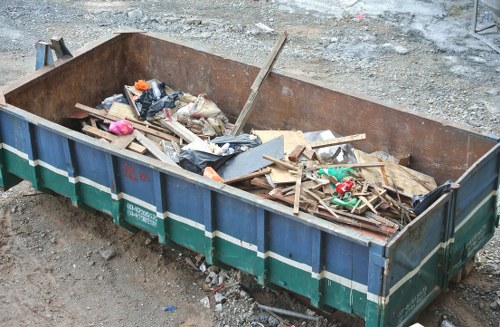
Office Clearance Herne Hill provides a focused office clearance service for businesses that need workspaces emptied, sorted and prepared for the next stage. Whether you are clearing desks, storage rooms, meeting furniture or mixed office contents, the work is organised to remove items carefully and leave usable areas ready for handover, refurbishment or reorganisation. The service suits straightforward clear-outs as well as more detailed jobs where items need separating for disposal, reuse or recycling.
We handle clearance tasks with attention to access, building rules and the different types of equipment commonly found in offices. That can include general furniture, archive material, small fittings and redundant stock, along with the practical decisions that come with any workplace clearance. If you are comparing options, pricing and quotes gives a useful place to start, while the main aim on this page is to explain how the clearance service works and what it can cover.
For organisations planning an office move, a change of layout or the end of a tenancy, the service is built around orderly removal rather than disruption. Clear separation of items helps avoid confusion when several departments or storage areas are involved. If you already know what needs taking away, a simple list is often enough to begin. If not, the job can still be approached in stages so the most bulky or time-sensitive items are handled first. Start with the areas that matter most.
What an office clearance can include
An office clearance is often broader than removing a few desks. It can involve seating, storage units, filing cabinets, shelves, reception furniture and loose contents that have built up over time. Many businesses also need help with mixed items from shared spaces, such as kitchens, break areas and print rooms. The point is to clear the specific items you no longer need while keeping the process controlled, so the right materials are removed from each part of the premises without disturbing what should remain.
Where offices contain a mix of furniture and redundant fittings, the work usually benefits from a structured order. Larger pieces are moved first, then smaller items are sorted to reduce blockages and make loading easier. If you are also dealing with furniture that may be reused or removed separately, the linked furniture clearance page is relevant, while this service remains centred on the full workplace environment rather than one item type alone. A careful approach helps businesses keep track of what is leaving and what is staying.
The scope can also extend to items stored away from day-to-day use, such as spare chairs, boxes of paperwork, archived materials and surplus office equipment. Not every job needs the same depth of sorting, so the service is flexible enough to reflect the contents on site. In practical terms, that means the clearance can be planned around the layout of the office, the volume of material, and any access rules that affect movement through shared corridors, lifts or loading points.
Planning the clearance around your workspace
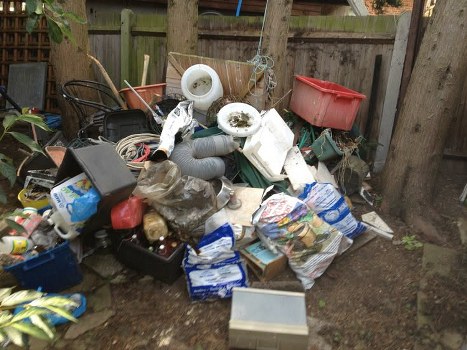
Good office clearance work depends on planning the sequence of removal before anything is moved. In a busy premises, that may mean identifying the rooms, floors or zones to be cleared, then deciding which items are to be taken first. It is also useful to note whether the office is occupied, partially occupied or empty, because that affects how the work is organised around staff, visitors and other building users. Clear instructions reduce the risk of items being taken from the wrong area.
When a workplace contains several categories of items, it helps to group them into broad types before the clearance begins. Furniture, electrical items, paper, soft furnishings and miscellaneous contents may all need different handling, and a sensible plan avoids last-minute sorting. If you are comparing wider premises services, the related business waste removal page can help with ongoing commercial waste, while office clearance is better suited to one-off or project-based emptying.
For many customers, the simplest way to prepare is to identify what must stay, what must go, and what needs special attention. That can include access instructions, parking considerations and any items that should be separated before the team arrives. You do not need a long briefing, but the clearer the initial information, the smoother the job tends to be. A concise handover helps the clearance proceed in an orderly way and keeps the process aligned with the schedule for the building.
Furniture, fixtures and fitted items
Office spaces often contain a mixture of movable furniture and more fixed elements, and clearance work may need to address both categories. Desks, pedestals, cupboards and shelving can usually be removed as part of the same job, but fitted items or heavier pieces may require a more deliberate approach. The aim is to clear the relevant contents without causing avoidable damage to floors, walls or doorways, particularly where the office is part of a larger building with shared access.
Some businesses only need part of an office cleared, while others need a complete emptying of the space. Those are different tasks, and the way they are organised should reflect that distinction. For example, a staged clear-out may be useful if one team is moving while another remains in place, whereas a full clearance may be more appropriate at the end of a lease or during a major refurbishment. The linked flat clearance page is not the same service, but it illustrates how a full emptying job differs from selective removal.
Where fittings are involved, the practical question is not only what can be removed, but how it should be removed safely and in the right order. Doors may need to be opened, items dismantled or routes kept clear so bulky pieces can come out without snagging. The service is therefore less about simple lifting and more about managing the entire movement from office to exit. That matters when equipment, furniture and access all need to be considered together.
Paper, archives and routine office contents

Office clearances often uncover large quantities of paper, boxed records and mixed office contents that have collected over time. These items need sensible sorting because not everything is treated in the same way. Some material may be ready for removal as general office waste, while other items may need to be kept back for internal review. A controlled clearance makes it easier to separate stored paperwork from furniture and reusable equipment without creating extra work later.
Archive areas are common in offices of many sizes, from small teams with a cupboard of files to larger premises with several shelving runs. The key is to remove what has genuinely become surplus while avoiding unnecessary disturbance to anything that still belongs to the business. Where a workplace has a dedicated stock of older documents, the service can be planned to deal with those areas systematically. If the job also involves storage rooms or back offices, the home clearance page is not the right match, but the principle of careful room-by-room removal is similar.
Loose contents such as stationery, broken accessories, small cabinets and miscellaneous materials can take longer than expected if they are left until the end. It is usually more efficient to combine those items into one part of the programme once the larger pieces have been dealt with. That approach keeps the clearance tidy and avoids repeated movement through the same rooms. It also helps businesses see progress more clearly, which is useful when several people need to agree what is being removed.
Commercial waste, reuse and responsible sorting
Office clearance work is not only about taking things away; it is also about deciding what should be reused, separated or sent onward for disposal. A good clearance process keeps different categories distinct so that furniture, metal items, paper and mixed waste are handled in a sensible order. That sort of sorting matters most when a workplace contains a broad mix of contents and the final outcome needs to be tidy, traceable and appropriate for the items involved.
Where items are no longer needed but still usable, businesses may want them identified before removal so they can be set aside from the rest of the clearance. Where items are worn, damaged or unsuitable for reuse, the focus shifts to prompt and orderly removal. If you need a broader service for premises with recurring waste, the waste removal page covers the wider category, while office clearance remains the better choice for a one-time emptying project or a significant change in occupancy.
Responsible sorting also helps with the practical side of the job because similar items can be grouped and moved more efficiently. That is especially useful where a workplace has several departments or storage zones and the same type of material appears in more than one place. A structured clearance reduces uncertainty and creates a clearer end result for the client. It also keeps the process focused on the office itself rather than turning it into a general clean-up exercise.
Access, buildings and working around occupied premises
Many office clearances take place in buildings that are still in use, which means the route in and out matters just as much as the items being removed. Stairs, lifts, shared corridors and loading bays can all affect how the work is organised, so the plan should reflect the building rather than assuming a straightforward empty room. This is particularly important in multi-tenant properties where other businesses are operating nearby and access needs to remain orderly.
If your office is part of a larger commercial premises, it can help to think in terms of movement: where items begin, how they are carried and where they leave the building. That approach avoids unnecessary congestion and reduces the chance of disturbing other users. In some cases, the right preparation simply means making the route clear and confirming which rooms are included. For heavier or more awkward contents, the related office clearance page can be read alongside the other service information on this site to understand the scope in more detail.
The same attention to access applies whether the premises are being vacated completely or only partially cleared. A sensible clearance schedule allows the work to fit around building arrangements and the availability of keys, lifts or loading points. It is often better to have a precise sequence than to rely on informal movement from room to room. That is why office clearance is usually best treated as a planned project rather than a quick tidying task.
About Herne Hill

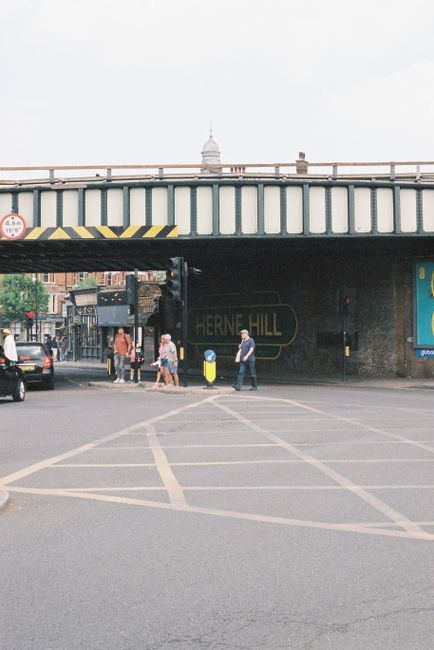
Herne Hill is a district in south London that sits across the boundaries of the London Boroughs of Lambeth and Southwark. The area is centred on Herne Hill railway station and the surrounding roads, with Brockwell Park forming one of its best-known green spaces. The district developed in the nineteenth century as London expanded southward, and much of its character still comes from that period of growth, when villas, terraces and larger houses were built along the main streets and quieter residential roads. Brockwell Park itself is a major local landmark, known for its open lawns, mature trees, formal gardens and Brockwell Lido. The park’s high ground gives wide views over parts of south London, and it remains one of the area’s most recognisable public spaces. Herne Hill also has a village-like commercial centre with independent shops, cafés and local services arranged around the station and the main road. The railway connection has long shaped the district’s identity, making it a useful point of access for commuters and visitors while also linking the neighbourhood to nearby parts of London. The surrounding streets include a mix of late Victorian and Edwardian housing, much of it set on comparatively narrow roads that contribute to the district’s compact feel. Cultural life in the area often centres on the park, local community activity and small businesses rather than large-scale retail. That combination of open space, transport links and historic housing gives Herne Hill a distinct character within south London.
How to prepare an office clearance request
Before asking for a quotation, it helps to note the main rooms, the type of contents and any items that need special handling. A short description of the site is usually enough to begin with, especially if the office contains mixed furniture, paper or stored equipment. If possible, make a simple note of access constraints and whether the premises are occupied, because that allows the work to be judged more accurately. Contact us if you want to begin that process directly.
Two practical details can make the quotation process much easier: the approximate volume of items and the condition of access. Neither needs a formal survey in every case, but both help establish the level of work involved. If you are uncertain how to classify the items, describe them in plain terms and separate anything that must stay from anything that can be removed. A little structure at the start is usually better than trying to recover the detail later.
For customers comparing options across different kinds of clearances, the strongest results usually come from matching the service to the type of premises and the amount of content involved. An office clearance can focus on desks, seating, cabinets and mixed workplace contents, while a different service may suit other property types or recurring waste streams. If you are ready to move forward, please request a quotation and provide the basic outline of the job so it can be reviewed properly.
Service choices for different office layouts

Offices vary widely, so the service has to adapt to the layout rather than forcing every job into the same pattern. A small suite with a handful of rooms will need a different approach from a multi-floor workplace with storage, meeting areas and shared facilities. The key decision is whether the clearance should be full or partial, and whether some contents need to stay in use while others are removed. That choice shapes the sequence of work and the time spent in each area.
Some businesses also need related property clearance support when the office is just one part of a larger move or downsizing process. In those cases, it can help to review the house clearance page only as a point of comparison for full-property emptying, while the office-specific service remains the better fit for commercial premises. The important thing is to keep the work aligned with the actual contents and the way the business uses the space.
The final stage of any clearance should leave the office easy to inspect and simple to hand over. That means the last items are checked, routes are kept clear and the room order is not disturbed once removal is complete. When you are ready, send over the details and ask for a quote. If you prefer a slower start, even a brief summary of the premises is enough to begin the conversation.