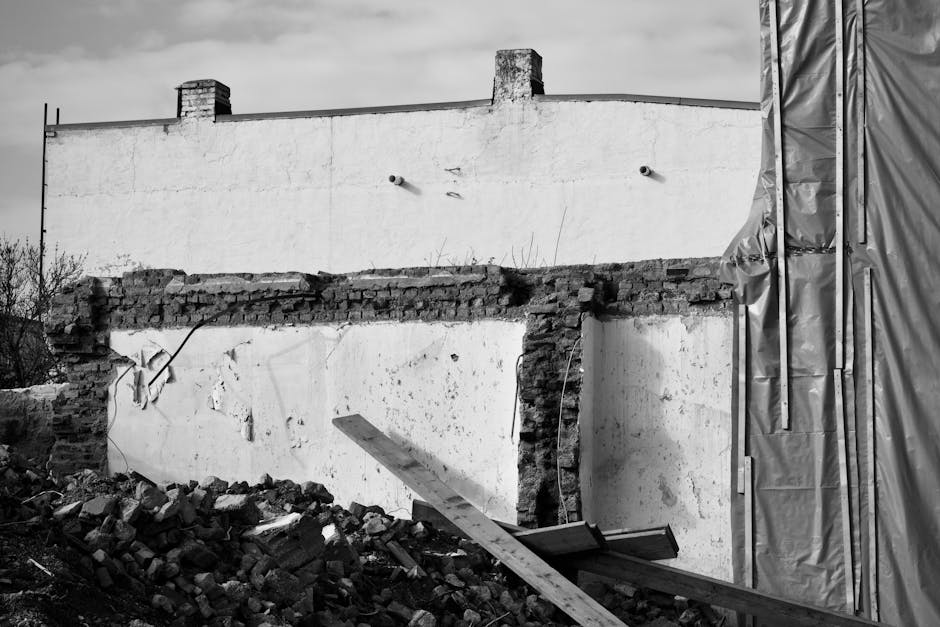
Post-renovation Debris: Fast Clearances for Herne Hill
Renovation work has a funny way of making a home feel both improved and, for a day or two, completely upside down. One minute you are admiring fresh paint or a new kitchen unit; the next, there is rubble, broken plaster, packaging, old fixtures and dust in places you did not think dust could reach. If you are dealing with post-renovation debris: fast clearances for Herne Hill, the real challenge is not just getting rid of the mess. It is getting it cleared safely, quickly and without turning the last stage of the project into another headache.
This guide breaks down what counts as renovation debris, why fast clearance matters in Herne Hill, how the process usually works, and what to check before you book. It also covers practical steps, common mistakes, compliance considerations and a realistic checklist you can use straight away. No fluff. Just the stuff that helps when the hallway is full of plasterboard offcuts and the builder has already gone.
Table of Contents
- Why Post-renovation Debris: Fast Clearances for Herne Hill Matters
- How Post-renovation Debris: Fast Clearances for Herne Hill Works
- Key Benefits and Practical Advantages
- Who This Is For and When It Makes Sense
- Step-by-Step Guidance
- Expert Tips for Better Results
- Common Mistakes to Avoid
- Tools, Resources and Recommendations
- Law, Compliance, Standards, or Best Practice
- Options, Methods, or Comparison Table
- Case Study or Real-World Example
- Practical Checklist
- Conclusion
- Frequently Asked Questions
Why Post-renovation Debris: Fast Clearances for Herne Hill Matters
Post-renovation debris is the mixed waste left behind after building or improvement work. It often includes plaster, timber, tiles, broken cabinetry, insulation offcuts, old skirting, packaging, screws, dust sheets and sometimes bulky items that have been removed during the refit. In a place like Herne Hill, where many homes are lived in throughout the year and access can be tight, that debris can become more than an eyesore very quickly.
Fast clearance matters because renovation waste has a habit of spreading. A small pile near the back door can turn into tracked dust through the kitchen, then the stairs, then the car boot. It also gets in the way of finishing touches. Decorators need space. Flooring installers need clear access. And if you are trying to move back into a room, the debris just drags out the disruption.
There is also the safety side. Sharp scraps, heavy rubble and unstable stacks can cause trips, cuts or minor damage to newly fitted surfaces. To be fair, nobody wants the last thing they touch in a remodel to be a wobbly sheet of plasterboard on the landing.
For local households and small businesses, a well-timed clearance can restore order fast. It can also help you make better decisions about what should be reused, recycled or disposed of responsibly. If you want a wider service overview, the team pages for builders' waste clearance and waste removal are useful starting points.
How Post-renovation Debris: Fast Clearances for Herne Hill Works
The process is usually simple, but the best results come from being organised before the collection day. In practice, a fast clearance is about sorting, loading and removal. It is less glamorous than the renovation itself, obviously, but much more satisfying when the place is finally tidy.
First, the debris is identified. That means separating heavy builders' waste from reusable items, general household rubbish and anything that needs special handling. Then the load is assessed. A small bathroom refresh will create a very different waste profile from a full loft conversion or kitchen replacement. Finally, the waste is removed, transported and managed for recycling or disposal where appropriate.
In Herne Hill, access can shape the whole job. Narrow front paths, shared entrances, stair-only flats and limited parking all affect how debris is moved out. If the clearance is for a flat, you may want to look at flat clearance options as well, especially where the renovation has involved several bulky items and broken fittings.
A typical fast-clearance workflow looks like this:
- Walk through the site and identify the types of debris present.
- Decide what is staying, what is reusable and what should go.
- Group materials into sensible piles so loading is quicker.
- Protect floors, door frames and newly fitted surfaces if needed.
- Remove the waste in one visit where possible.
- Sort materials for recycling, disposal or specialist handling.
That last step matters more than many people realise. If you have mixed rubble with timber and old furniture, the load may take longer to process. A good clearance plan keeps things moving without cutting corners.
Key Benefits and Practical Advantages
A fast post-renovation clearance does more than make the property look better. It changes how the space functions, and that matters whether you are a homeowner, landlord, contractor or small business owner.
- Quicker use of the space: Once debris is removed, decorating, cleaning and furnishing can finish properly.
- Lower trip and injury risk: Loose rubble and sharp offcuts are out of the way.
- Less dust spreading: Clearing waste promptly helps reduce ongoing mess.
- Better finish quality: Tradespeople can work around a tidy site more easily.
- Improved recycling opportunities: Materials can be separated and directed more responsibly.
- Less stress for you: The home feels like progress again, not an unfinished project.
There is also a timing benefit that people often overlook. If debris is cleared fast, the last stage of renovation tends to run more smoothly. That final sweep, that last coat of paint, the little touch-ups you only notice when the room is quiet at 8 a.m. - all of it becomes easier when waste is not in the way.
For clients balancing more than one kind of waste, it can help to think beyond one single load. Furniture removed during a refit may need separate handling, which is where furniture disposal or furniture clearance can complement the main debris removal.
Who This Is For and When It Makes Sense
Fast clearance is not only for major building projects. In fact, many of the most common jobs are modest. A new bathroom. A small kitchen refit. Replacing old shelving. Taking down a damaged stud wall. Even a compact office refresh can leave behind more mess than you expect.
This service tends to make sense for:
- homeowners finishing a refurbishment
- landlords preparing a property for new tenants
- builders and tradespeople who need a site cleared for the next stage
- flat owners with limited storage or access
- small businesses refurbishing a workspace
- people clearing a garage, loft or spare room after renovation work
Herne Hill properties can be particularly varied. Some are spacious family homes with rear access, while others are compact flats where every trip carrying rubble feels like a mini obstacle course. If the renovation has spilled into storage areas, you may also find loft clearance or garage clearance useful as part of the same wider job.
As a rule of thumb, if you are asking, "Can I just deal with this myself later?" and the answer involves several bin bags, a sore back and a borrowed van, it is probably time to consider a proper clearance.
Step-by-Step Guidance
Here is a practical way to handle post-renovation debris without making the process harder than it needs to be.
1. Walk the space before anything is moved
Look at the debris with fresh eyes. Which items are heavy? Which are sharp? Which are actually reusable? This quick review often saves time later and prevents awkward surprises, like discovering half a bath panel under a sheet of dust-covered plastic.
2. Separate debris by material
Keep rubble, timber, metal, packaging and general rubbish apart where you can. Mixed loads are still manageable, but separating what you can makes the clearance more efficient and can improve recycling outcomes.
3. Check access and protection needs
Measure whether large items can get through doors, hallways or stairs without scraping surfaces. Use coverings where necessary. A newly painted wall can mark in seconds, and once it is marked, well, there goes the nice clean finish.
4. Remove the obvious hazards first
Sharp tiles, exposed nails, glass, loose screws and unstable stacks should be dealt with before anything else. That is basic safety, but it is also common sense.
5. Decide what should be recycled or reused
Timber, metals, some fixtures and clean packaging may be recyclable or reusable. Heavily contaminated materials may not be. It depends on condition and composition, so avoid guessing if you are unsure.
6. Book clearance at the right time
Fast clearance works best when timed between the messy phase and the finishing phase. If you book too early, more waste may appear. Too late, and the mess lingers. Somewhere in the middle is usually ideal.
7. Confirm the final sweep
Once the debris is gone, check corners, skirtings, under units and storage recesses. Dust loves hiding in plain sight. It really does.
Expert Tips for Better Results
In our experience, the smoothest clearances are the ones where the property owner gives a little thought to the layout before collection day. Nothing dramatic. Just a bit of structure.
- Keep one area as the loading zone. Piling debris into a single access point reduces wasted steps.
- Label mixed materials if several people are involved. This avoids accidental re-sorting later.
- Don't wait for the bin to overflow. Small, repeated tidy-ups are much easier than one mountain of waste.
- Leave room for trade tools and finishing materials. If decorators are still on site, do not block their path.
- Photograph the waste before and after. This is useful for landlords, project managers and anyone trying to keep a tidy record.
One small but helpful habit: keep a separate bag or box for screws, fittings and small metal offcuts. These things have a way of rolling under radiators, inside shoe soles, or everywhere at once. A bit dramatic, but true.
If the project includes new furniture or old items removed from a room, you may also want to review home clearance or the broader house clearance service pages for a more complete tidy-up plan.
Common Mistakes to Avoid
Most problems with post-renovation waste are not complicated. They come from rushing, assuming or underestimating how much material there is.
- Leaving heavy debris near entrances: This creates a bottleneck and increases trip risk.
- Mixing every material together: It may save five minutes now and cost more time later.
- Ignoring access restrictions: A load is only fast if it can actually be moved out.
- Forgetting about dust and fine debris: A room can look cleared but still feel unfinished because of residue.
- Choosing a clearance method that does not suit the property: A flat, a house and an office all have different practical needs.
- Not checking insurance and safety information: If items need carrying through tight interiors, you want to know the process is properly handled.
Another mistake is trying to fit post-renovation debris into ordinary household waste routines. That can be slow, inconvenient and in some cases simply unsuitable for the material. If the pile includes bulky or awkward pieces, the better route is usually a dedicated clearance. It saves a lot of faff.
Tools, Resources and Recommendations
You do not need a warehouse of gear to handle renovation waste well. But a few simple tools and habits make a real difference.
| Item or approach | Why it helps | Best use |
|---|---|---|
| Heavy-duty rubble sacks | Holds dense debris safely | Tiles, plaster, small rubble |
| Protective gloves | Reduces cuts and abrasion | Sorting sharp offcuts |
| Floor coverings | Protects new surfaces | Hallways, stairs, finished rooms |
| Dust mask | Helps with fine particles | Older plaster, dusty clear-downs |
| Separate sorting containers | Speeds up waste segregation | Mixed renovation loads |
For a smoother service experience, it also helps to review practical information before booking. The pages on pricing and quotes and payment and security can help you understand what to expect from the business side of things, while recycling and sustainability is useful if you care about where materials end up.
If the renovation is part of a commercial refresh, such as a workspace or studio, the business waste removal page may be more relevant than a general domestic route. Different setting, different rhythm.
Law, Compliance, Standards, or Best Practice
Any renovation debris clearance should be handled with care, especially where building waste, sharp materials or mixed loads are involved. In the UK, the usual expectation is that waste is stored, moved and transferred responsibly, and that a waste carrier is used where appropriate. The exact requirements can vary by situation, so it is sensible to check the details for your project rather than assume one rule covers everything.
Best practice usually includes:
- keeping waste separated where practical
- avoiding unsafe stacking or obstructed exits
- protecting occupied areas from dust and damage
- using suitable lifting and carrying methods
- confirming that the waste is handled by a properly insured provider
Health and safety should never be an afterthought. Heavy loads, uneven surfaces and tight staircases are where problems tend to happen, especially in older properties. A sensible provider should be able to explain how the waste will be moved, what protection will be used and how the job will be managed safely. You can also review the site's health and safety policy and insurance and safety information for added reassurance.
Where sustainability is part of the brief, ask how materials are sorted and whether anything reusable can be diverted from disposal. Not every item can be saved, of course, but it is usually worth asking. A little more thought upfront often means less waste overall.
Options, Methods, or Comparison Table
If you are deciding how to handle renovation debris, you will usually be weighing up three broad options: do it yourself, arrange a skip, or use a dedicated clearance service. Each one has a place. The best choice depends on access, volume, time and how much manual work you want to take on.
| Method | Best for | Pros | Trade-offs |
|---|---|---|---|
| DIY removal | Very small amounts of light waste | Can seem low-cost if you already have transport | Time-consuming, physically demanding, often messy |
| Skip hire | Ongoing building work with steady waste output | Useful for repeated disposal over several days | Needs space, permits may be relevant, loading is on you |
| Dedicated clearance | Mixed debris, bulky items, fast turnaround | Quick, convenient, less lifting for you | Depends on access and load complexity |
For many Herne Hill projects, the dedicated route is the most practical because access can be awkward and time is often tight. If you are clearing a particularly cluttered space, it may also be worth thinking in layers: builders' waste first, then old furniture, then any leftover household items. That can be a lot cleaner than trying to do it all at once.
Case Study or Real-World Example
Imagine a first-floor flat in Herne Hill after a compact kitchen renovation. The new units are in, the worktop is fitted, but the old splashback tiles, broken cabinet panels, packaging and a few scraps of timber are still sitting in the hallway. The room is usable in theory, but not in any way that feels finished. Every time someone walks past, they brush against dust and try not to knock a loose offcut with their shoe.
In a case like that, the most effective approach is a quick walkthrough, sorting debris into clear piles and removing the waste in one organised visit. The hallway is protected, the main loading route is kept clear, and the final sweep happens the same day so the client can get back to normal life.
That kind of clear-out sounds simple, and mostly it is. But the difference it makes is huge. The room stops feeling like a worksite and starts feeling like home again. You can hear the floor under your feet. You notice the light better. Even the air feels less stale once the dust and debris are gone. Small things, but they matter.
For properties with more varied contents after a renovation, a blend of furniture clearance and builders' waste clearance can create a cleaner, more efficient result than handling each part separately.
Practical Checklist
Use this checklist before the clearance team arrives or before you start moving anything yourself.
- Confirm exactly what debris is being removed.
- Separate rubble, timber, metal and general waste where practical.
- Check doorways, stairs and hallways for access issues.
- Protect new floors, paintwork and fittings.
- Remove nails, glass and other sharp hazards first.
- Identify any bulky items that need extra handling.
- Keep one clear route for loading waste out.
- Ask how recyclable materials will be sorted.
- Make sure pets, children and other occupants stay clear during loading.
- Do a final sweep for dust, screws and forgotten offcuts.
That last point is easy to skip. Don't. It is usually where the finished feel comes from.
Conclusion
Post-renovation debris is one of those jobs that looks minor until you are standing in it. Then it becomes obvious how much it affects safety, comfort and the final presentation of the property. A fast, well-planned clearance saves time, reduces stress and helps you move from "work in progress" to "actually finished" much sooner.
In Herne Hill, where properties often have a mix of compact access, shared entrances and busy day-to-day living, speed and organisation really do matter. The smartest approach is usually the one that keeps waste separate where possible, protects the property and clears everything in a single, tidy pass. Simple, sensible, done properly.
If you are comparing options, checking service details and planning the next step, it is worth looking at the wider site resources alongside the clearance itself. A little preparation goes a long way, and it tends to make the whole experience calmer. Which, after a renovation, is very welcome indeed.
Get a free quote today and see how much you can save.
Frequently Asked Questions
What counts as post-renovation debris?
It usually includes leftover building materials such as plaster, rubble, tiles, timber, packaging, old fixtures, fittings and general mess created during refurbishment work.
How fast can renovation waste be cleared in Herne Hill?
That depends on the volume, the type of waste and access to the property. Smaller loads can often be cleared quickly, while larger or mixed loads may need more planning.
Can I mix builders' waste with old furniture?
You can, but it is often less efficient. Separating bulky furniture from debris usually makes loading, sorting and recycling easier.
Do I need to prepare the property before clearance?
A little preparation helps a lot. Clear access routes, separate obvious waste types and protect delicate surfaces if needed.
Is post-renovation debris always recyclable?
No. Some materials can be recycled, but contamination, damage and mixed waste can affect what is accepted. It is best to ask before assuming.
What is the safest way to handle sharp renovation waste?
Use gloves, keep sharp items separate and do not overfill sacks or boxes. Broken glass, nails and jagged tiles should be handled carefully.
Is a clearance service better than skip hire?
It depends on the job. Skip hire suits ongoing work with repeated waste, while a clearance service is often better for mixed debris, awkward access or faster turnaround.
Will the debris be removed from upstairs rooms or flats?
Usually yes, but access matters. Stairways, lifts, narrow halls and parking can all affect how the job is carried out.
What should I ask before booking a clearance?
Ask what types of waste are covered, how access will be managed, whether recycling is included and what preparation is needed from you.
Does renovation debris clearance include cleaning as well?
It normally focuses on removal of waste, not deep cleaning. A final sweep is often sensible, but dust removal and full cleaning may need to be arranged separately.
How do I know if my load is too large for one visit?
If the waste includes several bulky items, large volumes of rubble or multiple rooms' worth of debris, it may need a fuller assessment. A quick quote or site review usually clarifies this.
Can I use a service for a home, flat or office renovation?
Yes. Different property types have different access and waste profiles, but the same basic clearance principles apply. A flat, house or office may just need a slightly different approach.
For more about the company background, values and service standards, you can also review about us and the page on complaints procedure if you want extra reassurance before booking.