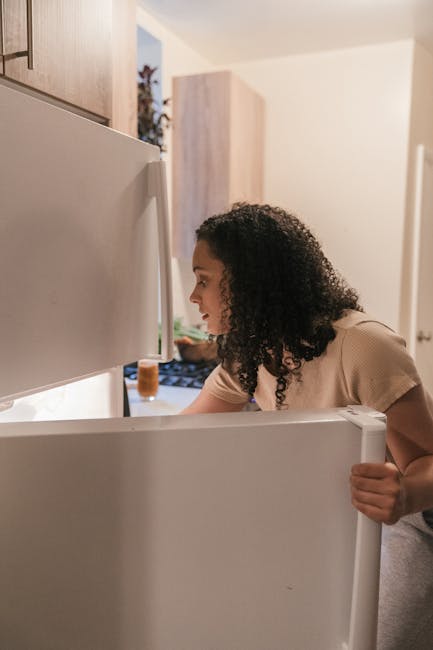
Safe Fridge Disposal Options for Herne Hill Homes
Getting rid of an old fridge sounds simple enough until you actually move it. Then the awkward corners, the weight, the hidden coolant, and the question of what to do with it all kick in at once. If you live in Herne Hill and you need safe fridge disposal options for Herne Hill homes, the good news is there are several sensible ways to handle it without turning your hallway into a small disaster zone.
This guide walks through the practical choices, the safety issues that matter, and the steps that make the whole thing smoother. Whether your fridge has finally given up with a warm hum and a puddle underneath, or you're replacing it before it fails completely, you'll find straightforward advice here. And yes, there is a right way to do this. More than one, actually.
Along the way, we'll cover local considerations, common mistakes, and the kind of details that are easy to miss when you are staring at a bulky appliance and thinking, right, now what?
Table of Contents
- Why Safe Fridge Disposal Options for Herne Hill Homes Matters
- How Safe Fridge Disposal Options for Herne Hill Homes Works
- Key Benefits and Practical Advantages
- Who This Is For and When It Makes Sense
- Step-by-Step Guidance
- Expert Tips for Better Results
- Common Mistakes to Avoid
- Tools, Resources and Recommendations
- Law, Compliance, Standards, or Best Practice
- Options, Methods, or Comparison Table
- Case Study or Real-World Example
- Practical Checklist
- Conclusion
- Frequently Asked Questions
Why Safe Fridge Disposal Options for Herne Hill Homes Matters
Fridges are not just another bit of household rubbish. They are heavy, awkward, and built with materials that need careful handling. Many also contain refrigerants, oils, insulation foam, and electrical parts that should not simply be left on the pavement or shoved into general waste. If you want disposal that is safe, responsible, and low-stress, the method matters a lot.
For Herne Hill homes, there is also the practical reality of London living. Narrow entrances, shared stairwells, basement kitchens, tight terraces, and parked cars can make moving a fridge much more difficult than it looks on paper. One person can spend a full hour trying to angle a fridge through a doorway that looked fine from the living room. Been there, as they say.
Safe fridge disposal also matters because it protects people and property. A dropped appliance can damage floors or walls. A fridge left unplugged and unattended can leak water or stale food smells, which is never pleasant. And if a unit is incorrectly handled, the environmental impact is avoidable. That is why the most sensible fridge removal plan balances safety, convenience, and proper recycling.
If you are arranging wider house clearance or want a company background first, it can help to look at the team's about page and their approach to recycling and sustainability. Trust matters here, especially with bulky items that need careful handling.
Expert summary: The safest fridge disposal route is the one that removes the appliance without risk to your home, handles the unit properly at end of life, and gives you confidence that it will be dealt with responsibly. In practice, that usually means planning ahead, checking access, and choosing a disposal method that suits the fridge's size and condition.
How Safe Fridge Disposal Options for Herne Hill Homes Works
There are a few routes you can take, and the right one depends on the fridge itself, your access, and how quickly you need it gone. The process usually starts with a quick assessment: is the fridge working, broken, integrated, under-counter, American-style, or already disconnected? A small under-counter model is a different job from a tall double-door unit that barely fits around the kitchen island.
In most cases, safe disposal works in the same broad order:
- Confirm the appliance is empty, unplugged, and defrosted if needed.
- Measure the fridge and the route out of the property.
- Decide whether you will use collection, recycling, or a removal service.
- Prepare the fridge for safe lifting and transport.
- Make sure it goes to a proper facility or approved handling route.
That sounds simple, and to be fair the logic is simple. The tricky bit is the practical side. A fridge can still hold water after defrosting. Doors can swing open at the worst moment. Old units can have brittle shelving or sharp edges. If the appliance is damaged, it may need a bit more care than a standard household item.
Another thing people often overlook: the destination matters. It is not enough that the fridge leaves your home. You want confidence that it is taken to a route where reusable parts, metal, plastics, and refrigerant-related components are handled correctly. This is where experienced removal and recycling services can make life easier, because they manage the lifting and the downstream handling in one go.
For residents who need a straightforward way to price up removal, the pricing and quotes information can be a useful starting point before booking anything. No mystery, no guessing. Well, less guessing anyway.
Key Benefits and Practical Advantages
Choosing a safe, proper fridge disposal method gives you more than just a clear corner in the kitchen. It reduces risk, saves time, and makes the whole move-out process cleaner and calmer. That matters more than people think. One badly handled appliance can turn into cracked tiles, sore backs, and a frustrated afternoon.
1. Less physical risk
Fridges are deceptively heavy. Even a smaller unit can be difficult to lift safely, especially down stairs or through tight doorways. A planned removal reduces the chance of injury and damage.
2. Better environmental handling
Old refrigeration units contain materials that should be processed carefully. A proper disposal route helps ensure components are sorted rather than simply dumped. If sustainability matters to you, this is one of those jobs where the green choice is also the practical choice.
3. Less disruption at home
Nobody wants a bulky appliance sitting in the hall for three days. A well-organised collection or removal service clears the space quickly and avoids the "we'll move it later" trap. Later tends to become next week.
4. Cleaner handover when moving house
If you are leaving a property in Herne Hill, safe fridge removal helps you meet clearance expectations and leave the place tidy. That can be a small but meaningful advantage when you are already juggling boxes, keys, and a hundred tiny tasks.
5. More predictable costs
When you compare disposal options properly, you are less likely to face surprises. A clear quote, a defined service, and realistic expectations usually beat improvising on the day.
And yes, the emotional benefit is real too. Once that fridge is gone, the room feels bigger. You notice the extra light, the easier sweep of the floor, the space for something better. Small thing, but it changes the room.
Who This Is For and When It Makes Sense
This topic is relevant to a wider range of people than you might expect. Fridge disposal is not only for homeowners with a broken appliance. It can be the right move in all sorts of ordinary situations.
- Homeowners replacing an old appliance and wanting the old one removed safely
- Landlords clearing a property between tenancies
- Tenants with permission to remove a faulty fridge before move-out
- Families upgrading a kitchen and needing the old unit taken away
- People dealing with a dead fridge that is leaking, noisy, or no longer cooling properly
- Households with integrated appliances that need careful disconnection and removal
It makes sense to act sooner rather than later if the fridge is failing, smells bad, or is already unplugged and taking up space. Waiting can make it harder to remove, especially if mould, food residue, or water build-up starts causing issues. You know how quickly a small problem becomes an annoying one.
It also makes sense to seek help if the fridge is too large for a safe DIY move. American-style fridges and older heavy models are a proper two-person job at minimum, and often more. If there are stairs, awkward turns, or a narrow front path, the balance tips even further toward professional help.
For anyone checking how a service operates before booking, it is worth reading about health and safety policy details and insurance and safety. Those pages help reassure you that handling large appliances is taken seriously rather than treated as a quick lift-and-go job.
Step-by-Step Guidance
If you want to handle fridge disposal properly, this is the most practical way to go about it. The steps below are simple, but the order matters.
Step 1: Empty the fridge completely
Take out all food, shelves if needed, bottles, drawers, and loose items. Check the door seal and back shelf too. Forgotten items tend to turn into unpleasant surprises later. Not ideal, obviously.
Step 2: Unplug it and defrost if required
If the appliance is a fridge-freezer or has frost build-up, allow enough time for defrosting. Put towels down to catch water and avoid slipping on wet flooring. A little patience here saves a lot of mess.
Step 3: Measure the fridge and access route
Measure the width, height, and depth of the appliance. Then check doorways, hallways, steps, and any tight corners. If you live in one of Herne Hill's older terraces or flats, this is especially important. The fridge may fit the kitchen, but the path out is another matter.
Step 4: Decide whether it needs disconnection help
Integrated fridges, built-in units, and fridge-freezers with plumbing or specialist fittings may require extra care. If in doubt, do not wrestle with fittings you are unsure about. A bit of caution now avoids a bigger repair later.
Step 5: Choose your disposal route
You can arrange a dedicated collection, use a clearance service, or, where appropriate, take the appliance to a suitable recycling route. The best choice depends on urgency, access, and how much manual handling you want to avoid.
Step 6: Protect the property during removal
Use floor protection if the fridge is being moved through tight spaces. Keep children and pets out of the route. If the appliance has glass shelves or loose parts, secure them before moving.
Step 7: Confirm it is going to the right place
Ask how the appliance will be handled after collection. A trustworthy service should be able to explain the process in plain English. Not a sales script. Just a straight answer.
If you are ready to arrange a practical collection, use the contact page to ask the questions that matter: access, timing, item type, and whether you need help with any other unwanted items at the same time.
Expert Tips for Better Results
Here are the small details that make fridge disposal much smoother. These are the bits people only learn after doing it once or twice, or after nearly getting stuck in the doorway.
- Defrost early. If your fridge-freezer has a lot of ice, give it time to thaw properly so you do not end up with water dripping across the floor.
- Keep the route clear. Move shoes, baskets, bins, and anything else you would normally forget in the hallway.
- Measure twice. If the unit looks tight on paper, assume it will be even tighter in real life.
- Use proper lifting technique. Bend your knees, keep the item close, and avoid twisting under load. Simple advice, but very easy to ignore.
- Photograph awkward access points. A quick phone picture of stairs, turns, or tight gates can help a removal team plan the job correctly.
- Separate the schedule from the emotion. Fridge removal can feel urgent, especially if the kitchen smells off. Still, taking ten minutes to prepare usually saves an hour later.
One useful habit is to think about the fridge as a removal item, not just an appliance. That mindset changes how you prepare: you start treating access, packaging, and disposal route as part of one job. It sounds obvious, but many people only think about the unit itself and miss the path out.
A small aside, and this is genuinely true: a neat hallway is a beautiful thing when you are trying to remove a fridge. Chaos makes every move twice as hard. The fridge always wins if you let clutter stay in the way.
Common Mistakes to Avoid
Fridge disposal can go wrong in surprisingly ordinary ways. Most of them are easy to avoid once you know what to look for.
Leaving food inside
This is the classic one. Even a single forgotten tub can leak, smell, or spill during lifting. Always check every shelf and drawer.
Trying to move a heavy fridge alone
It might seem manageable for five seconds. Then the incline starts, or the corner arrives, and suddenly it is very much not manageable. If the fridge is large or there are stairs, get help.
Forgetting to defrost
Water on the floor creates slip risk and can damage wood or laminate. A dry appliance is easier and safer to remove.
Not checking whether doors can be secured
Loose doors can swing open while lifting, which is awkward at best and dangerous at worst. Secure them if the design allows it.
Ignoring integrated fittings
Built-in fridges can involve trim, cabinetry, or electrical connections that need careful handling. Rushing the disconnection can lead to avoidable damage.
Choosing the cheapest option without asking what is included
Price matters, of course. But a low price that leaves you doing the lifting, carrying, and recycling prep is not always the bargain it looks like. Check what the service actually covers.
There is also a trust issue here. If a provider cannot clearly explain what happens after collection, that is a sign to pause. A decent service should be happy to talk through the process and the safeguards. No fuss.
Tools, Resources and Recommendations
You do not need much equipment to prepare a fridge for disposal, but the right basics make the job safer and less stressful. Here is a simple toolkit and a few practical recommendations.
| Item | Why it helps | Best used for |
|---|---|---|
| Towels or absorbent cloths | Catch water during defrosting | Fridge-freezers, older units, any appliance with frost |
| Work gloves | Improve grip and protect hands from sharp edges | All fridge moves |
| Furniture straps or moving straps | Help control the weight and reduce strain | Heavy or awkward appliances |
| Floor protection or cardboard | Reduce scratches and scuffs | Homes with hardwood, laminate, or stone floors |
| Tape or wrap | Keep doors and loose parts secure | Any fridge ready for transport |
| Measuring tape | Prevents access surprises | Doorways, hallways, stairs, and lift spaces |
As for resources, the most useful ones are usually the practical service pages on the company site. If you want to understand values and approach, the recycling and sustainability page is worth a look. If you want a better feel for process and professionalism, the insurance and safety information is helpful too.
And if you are the kind of person who likes to know how a company handles user information and booking details before sending a message, the privacy policy and payment and security pages are sensible reading. Not thrilling, granted, but useful.
Law, Compliance, Standards, or Best Practice
Fridge disposal in the UK sits within broader expectations around waste handling, electrical equipment, and environmental care. You do not need to memorise legislation to make a good decision, but you should understand the practical standard: appliances should be dealt with safely and through appropriate routes, rather than dumped or handled carelessly.
For householders, the main takeaway is simple. Do not leave a fridge on the street and hope for the best. Do not dismantle sealed cooling components yourself. Do not assume a bulky item can go with ordinary refuse. If you are unsure, choose a removal route that clearly states how the appliance will be handled.
Good practice also includes:
- keeping the appliance empty and safe to move
- using trained people for heavy lifting where needed
- avoiding damage to doors, floors, and walls
- ensuring the fridge goes to a suitable recycling or disposal channel
- checking the provider's safety and insurance arrangements
That last point is worth repeating. If somebody is taking a heavy appliance through your home, you want reassurance that they operate carefully and are covered appropriately. The health and safety policy and terms and conditions can help set expectations before anything is booked.
For householders in London, there is also a general expectation of tidy, responsible handling in shared streets and residential blocks. A fridge left blocking a pavement or entrance is not just inconvenient; it can create access issues for neighbours and passers-by. A little planning avoids that whole awkward moment.
Options, Methods, or Comparison Table
If you are comparing safe fridge disposal options for Herne Hill homes, the choice usually comes down to convenience, speed, manual effort, and how much support you need. Here is a simple comparison to make it easier.
| Option | Best for | Pros | Watch out for |
|---|---|---|---|
| DIY removal to a recycling point | Small, manageable fridges and confident movers | Can be low-cost and flexible | Heavy lifting, transport, and access are all on you |
| Scheduled collection from a clearance provider | Busy households and awkward appliances | Less stress, less lifting, more convenient | Needs booking and clear access details |
| Household clearance alongside other items | Full room clear-outs or end-of-tenancy jobs | Efficient if you have multiple items | May cost more if the fridge is the only item |
| Replacement delivery take-away service | When buying a new fridge at the same time | Convenient if the retailer offers removal | Time windows and condition rules can vary |
The best route is not always the cheapest. It is the one that safely solves the problem with the least friction. For a cramped Victorian terrace or a flat with a tight stairwell, the convenience of a professional collection can easily outweigh the hassle of trying to do it yourself.
One practical rule of thumb: if you are even slightly worried about access, weight, or timing, get help. That hesitation is usually telling you something useful.
Case Study or Real-World Example
Here is a realistic Herne Hill scenario. A family in a first-floor flat had an old fridge-freezer that had started warming up irregularly and making a low buzzing noise late in the evening. By the next day, they knew it was not worth repairing. The unit was large, still full of perishable food, and needed to pass through a narrow kitchen doorway, a short corridor, and a stairwell with one awkward turn.
They did three things right. First, they emptied and defrosted the fridge the night before. Second, they measured the route out and realised the doors needed to stay on carefully, not forced. Third, they booked a collection rather than trying to shift it themselves.
The difference was obvious. The removal team arrived knowing the access points, the old appliance came out without scuffing the wall, and the kitchen was clear within a short time. No drama, no cracked trim, no soggy towel trail across the landing. Simple, but that is exactly what you want.
Could they have done it another way? Possibly. But they would have needed a second person, extra time, and a lot more patience. Truth be told, the careful route often ends up being the fastest route once you factor in what can go wrong.
Practical Checklist
Use this checklist before your fridge is collected or moved. It keeps things tidy and reduces stress on the day.
- Fridge is completely empty
- Food removed from freezer drawers, shelves, and door compartments
- Appliance unplugged in good time
- Defrosted and dried where needed
- Doors secured if possible
- Loose shelves and parts removed or taped in place
- Pathway from kitchen to exit is clear
- Measurements checked against doorways and stairs
- Floor protection ready if needed
- Collection time and access details confirmed
- Any extra items listed if you want them removed too
- You know where the appliance is going after collection
Quick note: if you reach step three and already feel slightly out of your depth, that is a fair signal to stop and get help. No prize for wrestling a fridge on your own.
Conclusion
Safe fridge disposal options for Herne Hill homes come down to one simple idea: do the job in a way that protects your home, your back, and the environment. The best option may be a collection service, a full clearance, or a planned handover through a replacement delivery, but the right answer is the one that fits your space and your schedule without unnecessary risk.
If your fridge is small, accessible, and easy to move, you may manage it with careful preparation. If it is large, built-in, or stuck somewhere awkward, professional removal is usually the calmer, safer choice. Either way, a little preparation goes a long way. You really do feel the difference when the appliance is gone and the room breathes again.
For a friendly next step, review the service details, compare your options, and make sure the provider's approach matches what you need at home. If you want to understand the company behind the service, the about us page is a sensible place to start.
Get a free quote today and see how much you can save.
And once the old fridge is out of the way, there is a strange little satisfaction in hearing the quiet of a clean kitchen. It's a small win, but sometimes those are the ones that matter most.
Frequently Asked Questions
What is the safest way to dispose of a fridge in Herne Hill?
The safest method is usually a planned collection or removal service that handles lifting, transport, and proper disposal. It reduces injury risk and helps ensure the appliance is dealt with responsibly.
Can I put an old fridge in my normal household waste?
No, that is generally not the right route for a fridge. It is a bulky appliance with components that need special handling, so a dedicated disposal or recycling option is better.
Do I need to defrost a fridge before collection?
Yes, if there is any frost or ice build-up. Defrosting helps prevent water leaks, slipping, and mess during removal. A dry appliance is much easier to move.
How do I prepare a fridge for removal?
Empty it completely, unplug it, defrost it if needed, secure loose shelves, and clear the route out of your home. That simple preparation makes a big difference.
What if my fridge is built in or integrated?
Integrated fridges often need extra care because of fittings, trim, or surrounding cabinetry. If you are not sure how it is fixed in place, it is better to seek help than force it.
How much does fridge disposal usually cost?
Costs vary depending on size, access, and whether the fridge is collected alone or as part of a larger clearance. A clear quote is the best way to know what to expect.
Can a removal company take more than one appliance at the same time?
Often, yes. If you have other bulky items or want a room cleared at the same time, it can be more efficient to arrange everything together rather than in separate visits.
What happens to the fridge after collection?
That depends on the provider, but a responsible service should send it through a suitable recycling or disposal route and handle it in line with good practice.
Is it safe to move a fridge downstairs by myself?
Usually not, especially if it is large or the stairs are tight. Fridges are awkward and heavy, and one slip can cause injury or property damage. A second person, at minimum, is usually wise.
How do I know if a fridge removal service is trustworthy?
Look for clear information about safety, insurance, pricing, and how items are handled after collection. The service should answer practical questions without dodging them.
What should I do if the fridge is leaking or smells bad?
Do not delay. Remove food, unplug it safely, and arrange disposal as soon as possible. Leaks and odours can get worse quickly, especially in warmer weather.
Can I book fridge disposal as part of a bigger house clearance?
Yes, and for many households that is the easiest route. If you have several unwanted items or are clearing a property, combining them can save time and simplify the process.
If you have more questions about booking, access, or service details, the contact page is the best place to ask before making a decision.